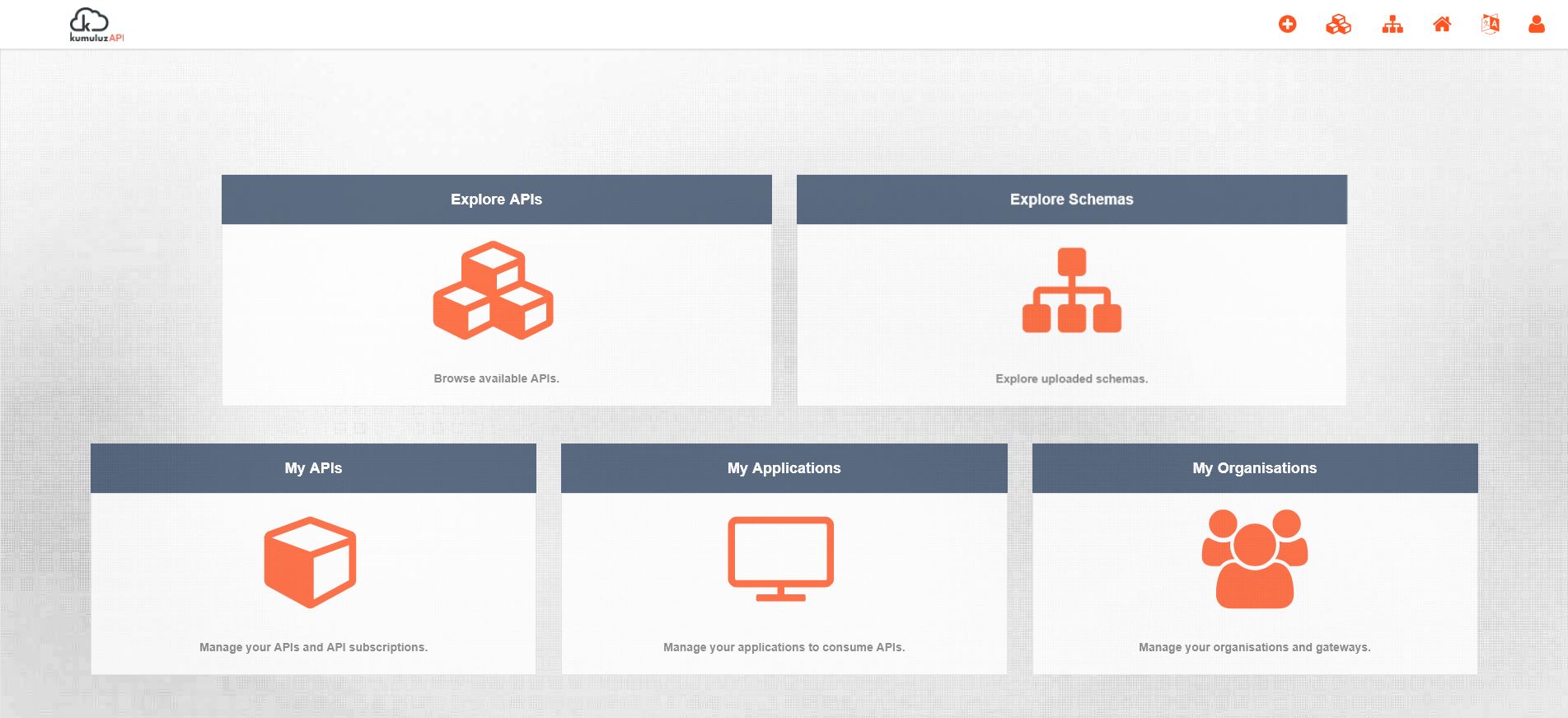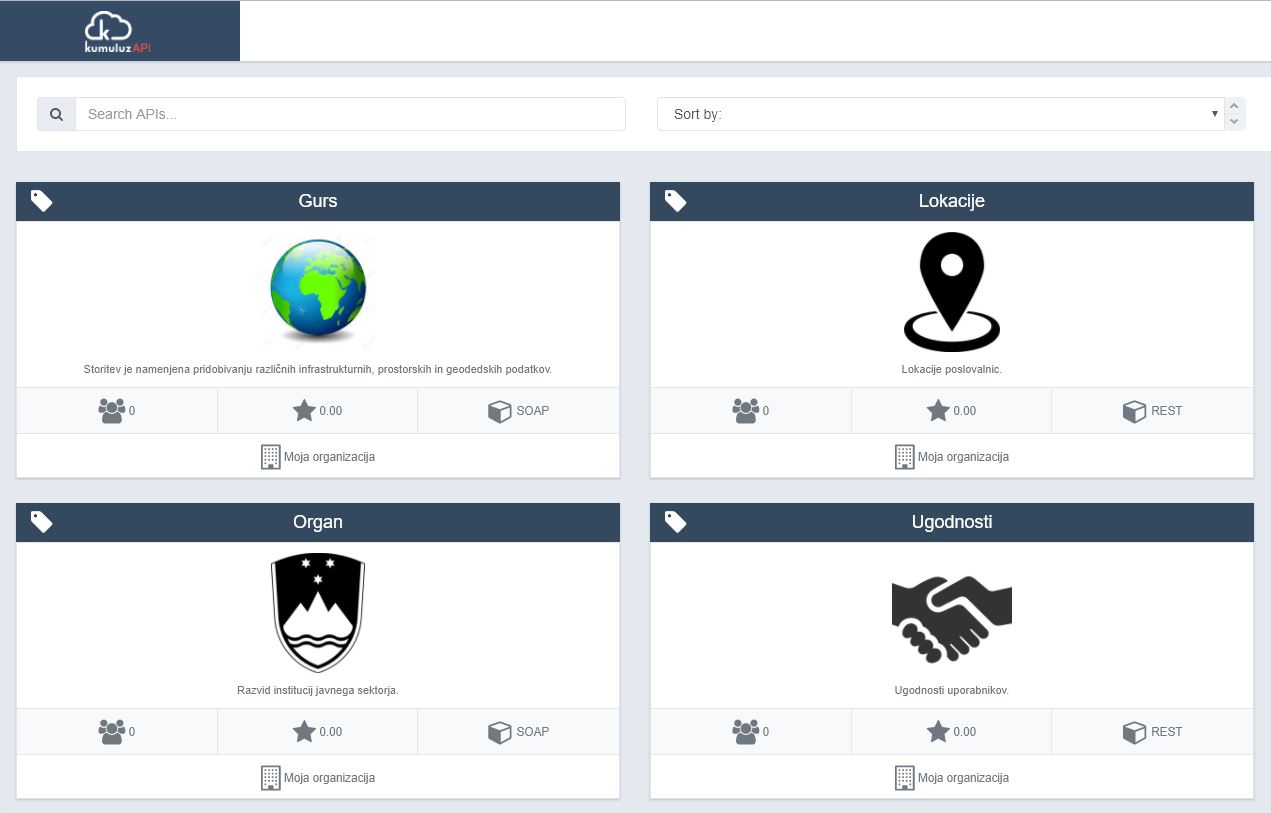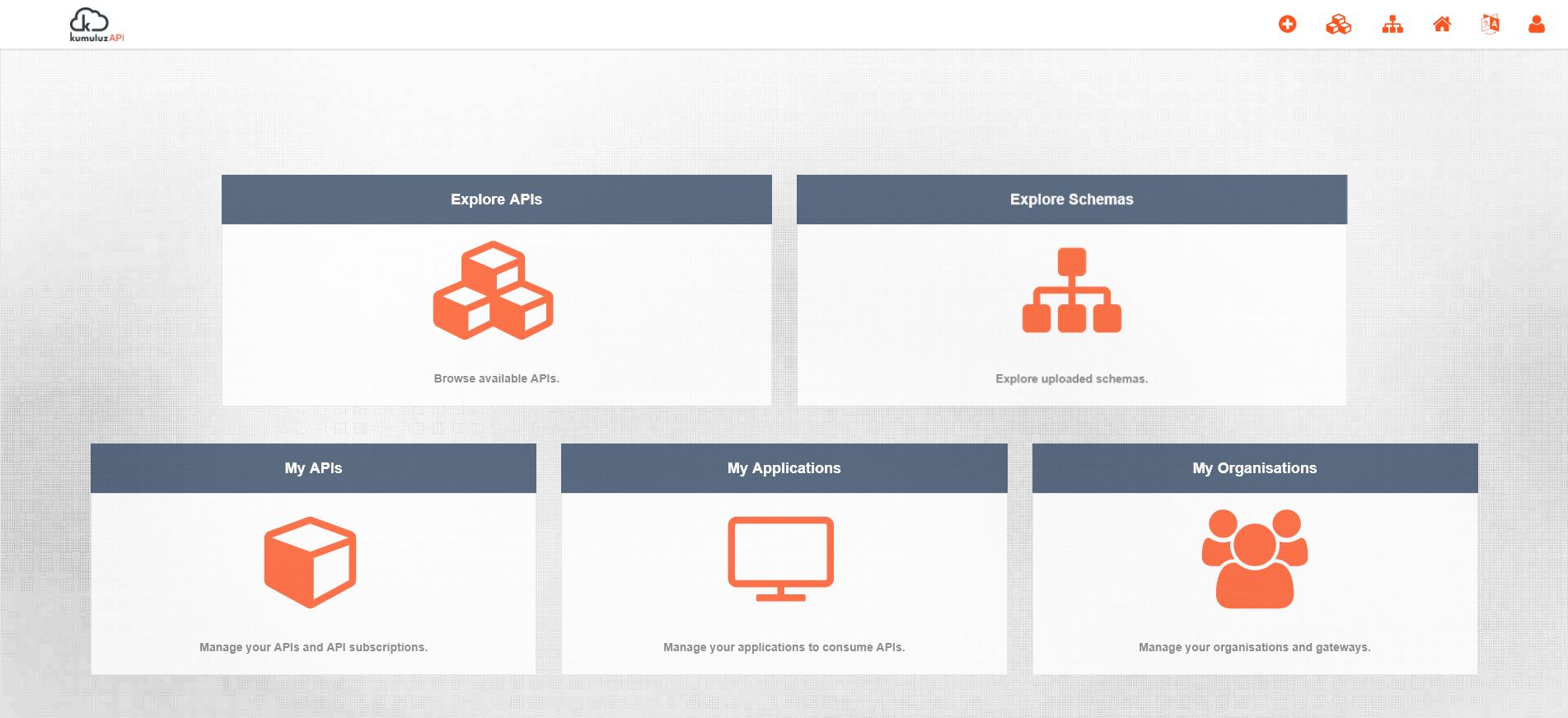
KumuluzAPI is a lightweight, open, standards-based solution for API Management, API Catalogue, API Gateway, API Marketplace with complete support for cataloguing API-related schemas, such as XML Schemas and JSON documents, providing full insight into APIs, their usage, relations, schemes and dependencies.
It is based on the microservice architecture with full elasticity, scalability and high availability. Functionalities are exposed through APIs and responsive web applications. The KumuluzAPI solution is built to easily integrate with various backend systems, such as ESB, SOA, BPM, different development environments, DevOps (Continuous Integration and Delivery) and more.
The product provides support for multiple languages. Currently full support for English and Slovenian is provided. Multiple language support might be important for digitalization within the country and region.
Why should you choose KumuluzAPI?
Create a catalogue of services and their APIs for REST and SOAP
Automatically discover APIs and services and populate the catalogue without manual intervention
Integrate with DevOps and Continuous integration/delivery
Document your APIs in a standard, language- and technology independent way
Search, filter, test APIs and services
Full versioning support for APIs on different environments and simultaneous version support
Complete lifecycle management of APIs
Full support for microservices and integration with KumuluzEE
Dependency analysis and visualization for APIs, applications and schemas
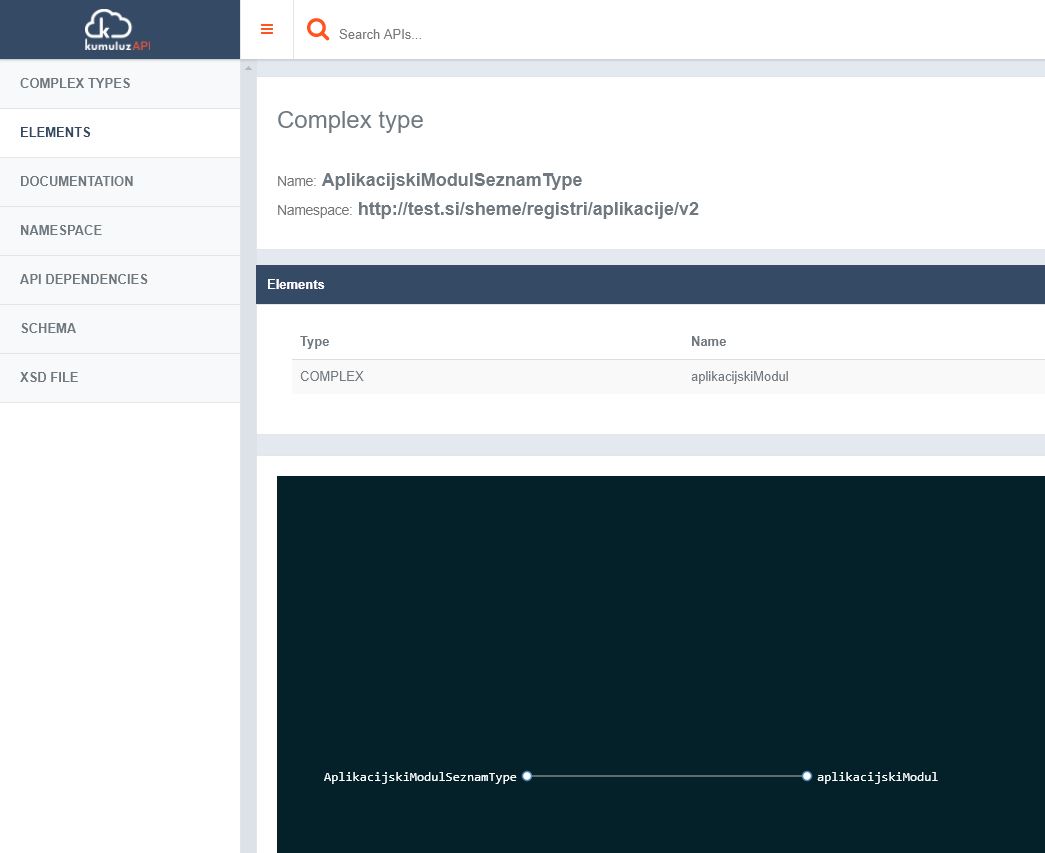
Included schema (XSD/JSON) support for searching and viewing schemas used in APIs, including dependency analysis in visualization
Multiple plans, SLA, QoS, rate limiting and monetization options
SLA monitoring and real-time compliance
API access approval workflows
Multiple gateways support with full security, rate-limiting and authentication support through multiple providers (such as LDAP, OAuth2, Kerberos, etc.)
Metrics, QoS and SLA monitoring
API and service health monitoring
Support for application servers, virtualized environments, PaaS and Docker-style environments
Where can you use KumuluzAPI?
You have a few services that you want to expose to third parties. For example, the municipality could use KumuluzAPI to expose the land register to some other branch of government. With the KumuluzAPI you can manage who has access to the exposed APIs and who's using them, you have a central management platform for everything. Additionally, KumuluzAPI handles security for you, so you only need to manage who is allowed to use the exposed services.

However, API management can lead to security problems, performance issues and lower productivity if not done properly.
Lightweight, open, standards-based solution for API Management.
KumuluzAPI provides full QoS and SLA control. This includes request throttling, which is rule based and can be flexibly configured. All throttling is related to the usage plan. Each API can have one or more usage plans. Fully automatic inbound and outbound SOAP/REST and XSD/JSON transformations are supported and can be configured for each gateway.
You can discover APIs either through the API Catalogue or in a programmatic way using ZooKeeper as a centralized service for maintaining configuration information, naming, providing distributed synchronization, and providing group services.
Analytics on API usage, client requests, responses, geolocation of requests, responses, etc. is provided. Reports can be generated automatically. Furthermore, all data can be exported into a Big Data/Analytics tool for further analysis.
All requests and responses over gateways are logged. History, the audit trail of requests and responses, is available online or in a generated report. Supports full API diagnostics. Active API monitoring is performed in user-configurable intervals (for example every 5 minutes). Active service health is performed and real-time diagnostics, monitoring and alarm notifications are supported.
KumuluzAPI provides full QoS and SLA control. This includes request throttling, which is rule based and can be flexibly configured. All throttling is related to the usage plan. Each API can have one or more usage plans. Fully automatic inbound and outbound SOAP/REST and XSD/JSON transformations are supported and can be configured for each gateway.
You can discover APIs either through the API Catalogue or in a programmatic way using ZooKeeper as a centralized service for maintaining configuration information, naming, providing distributed synchronization, and providing group services.
Analytics on API usage, client requests, responses, geolocation of requests, responses, etc. is provided. Reports can be generated automatically. Furthermore, all data can be exported into a Big Data/Analytics tool for further analysis.
All requests and responses over gateways are logged. History, the audit trail of requests and responses, is available online or in a generated report. Supports full API diagnostics. Active API monitoring is performed in user-configurable intervals (for example every 5 minutes). Active service health is performed and real-time diagnostics, monitoring and alarm notifications are supported.
Start benefiting from the API economy.

The documentation of APIs can be either entered manually through UI or automatically integrated.

You can publish your own APIs to reduce data silos in your company or build relationships with outside developers.

REST services can be secured using SSL/TLS, for authentication OAuth, basic HTTP, SAML, custom security headers and nonces are supported.
The authentication provider can be one or more external providers, such as LDAP, Oauth2, Kerberos, etc. SOAP services can be secured using WS-Security. Username, X.509 and SAML profiles are supported. Additionally, basic HTTP and SSL/TLS are supported.
For each endpoint, full endpoint validation can be enabled. Endpoint translation from gateway to server (virtual endpoint resolution) is automatic.
© Sunesis, All rights reserved